Mastering Boxing Techniques: A Beginner's Guide to Getting in Shape


Introduction to Boxing for Fitness
Boxing is more than just a sport; it's an incredible way to get in shape and improve your overall fitness. Whether you're looking to build strength, increase endurance, or enhance your agility, boxing offers a comprehensive workout that caters to all these needs. As a beginner, understanding the basics of boxing techniques is crucial to ensure effective training and prevent injuries.

Essential Boxing Techniques
Before stepping into any boxing routine, familiarize yourself with essential techniques. The most fundamental skills include the jab, cross, hook, and uppercut. Each punch has a specific purpose and requires proper form to be effective. Practicing these techniques regularly will not only improve your boxing skills but also boost your confidence in the ring.
Jab and Cross
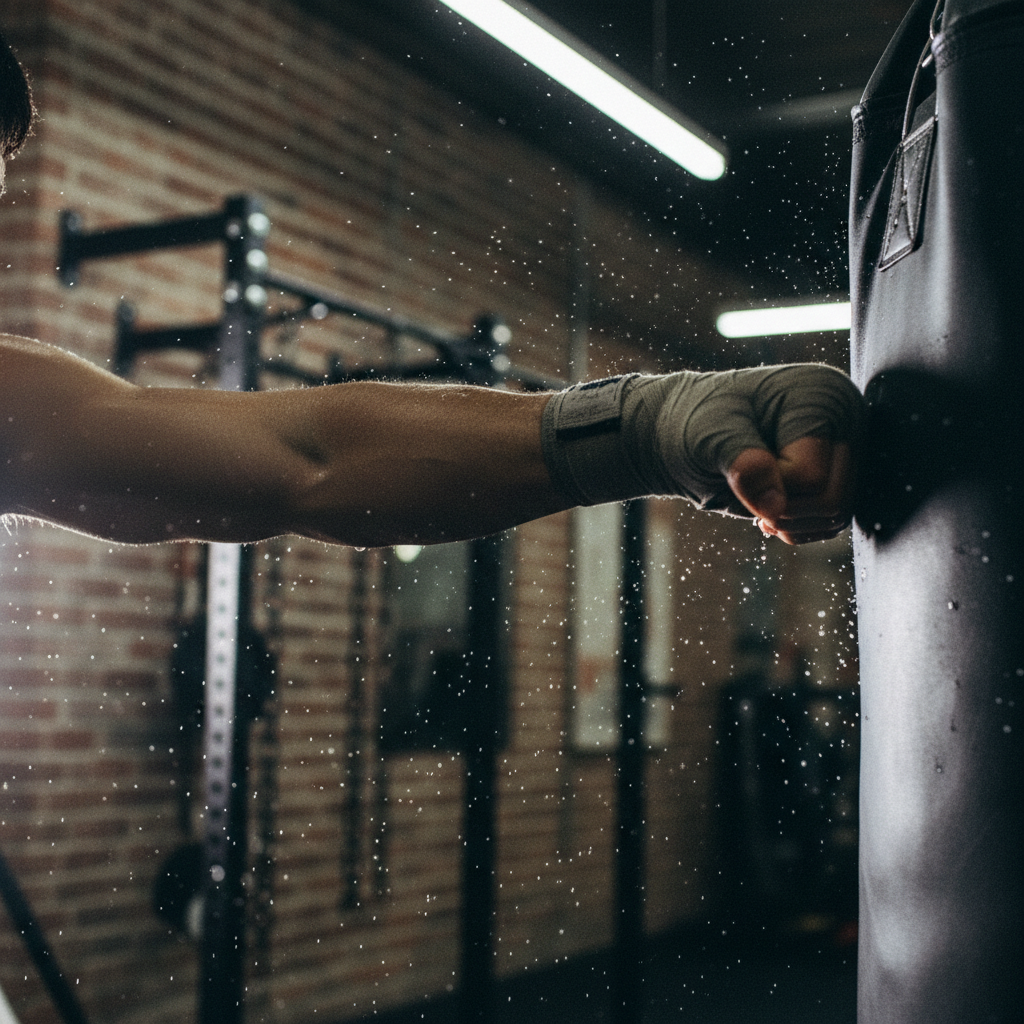
The jab is a quick, straight punch thrown with the lead hand. It's used to gauge distance and set up more powerful punches. The cross, delivered with the rear hand, is a strong straight punch aimed at your opponent's head or body. Both punches are vital for creating combinations and maintaining an offensive strategy.
Hook and Uppercut
The hook is a semi-circular punch aimed at an opponent's jaw or body. It's effective in close-range combat. The uppercut, often considered the knockout punch, is delivered from a low angle to the opponent's chin. Mastering these punches requires practice and precision, making them essential components of any boxing routine.
Conditioning and Footwork
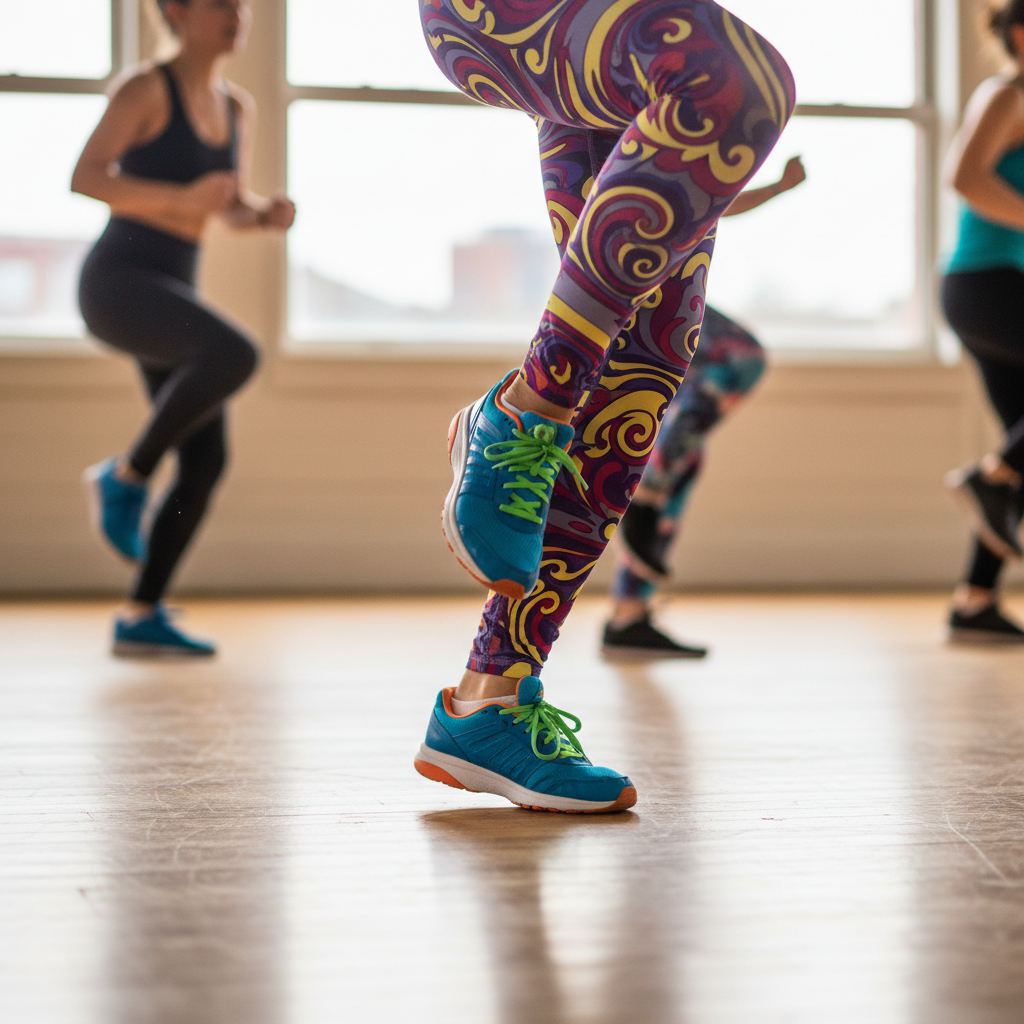
Boxing isn't just about throwing punches; it also involves intense conditioning and agile footwork. Engaging in regular cardio exercises like running, jumping rope, and cycling will improve your stamina. Footwork drills, such as ladder exercises and shadow boxing, enhance your agility and balance, crucial for effective boxing.
Strength and Flexibility
Strength training is equally important in boxing. Incorporate exercises like push-ups, squats, and weightlifting to build muscle. Flexibility exercises, such as stretching and yoga, help prevent injuries and improve your range of motion, enabling you to throw punches more effectively.
Developing a Training Routine
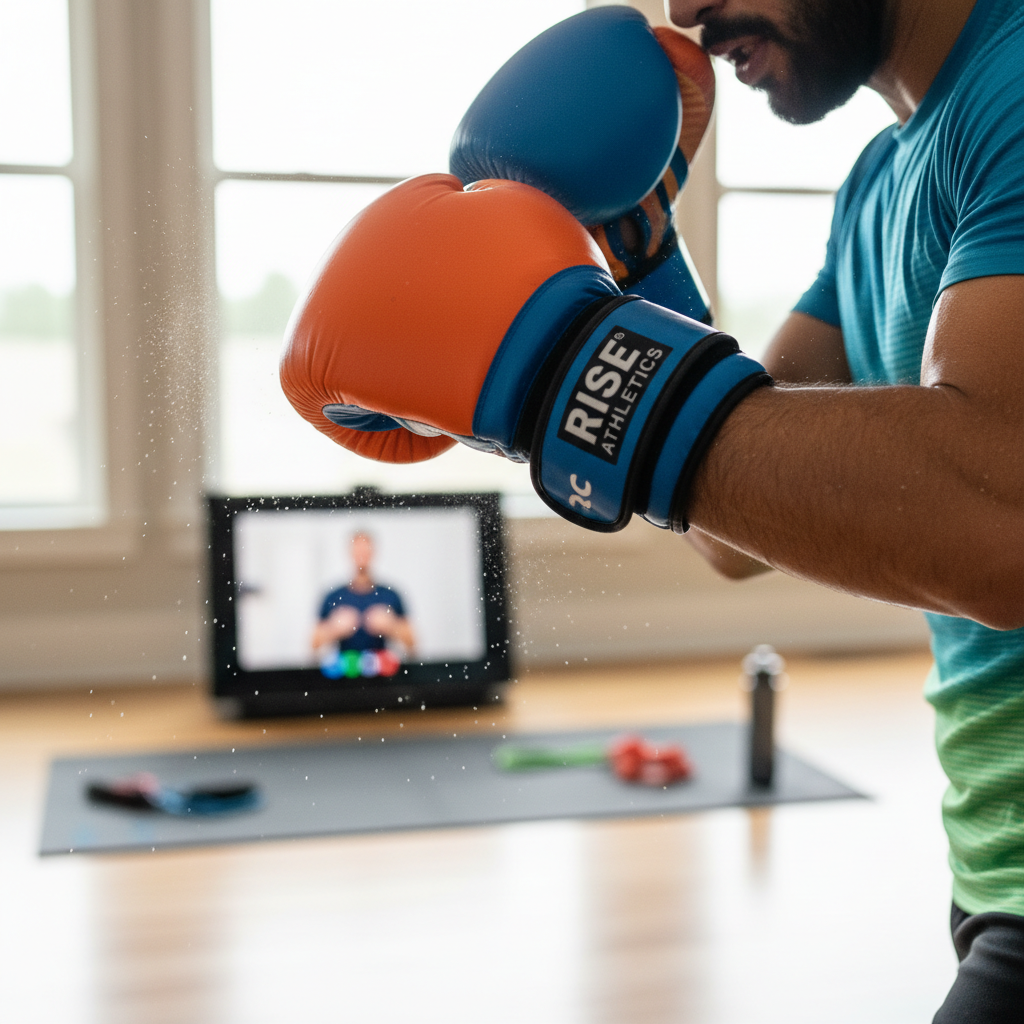
As a beginner, it's essential to create a balanced training routine. Start with short, manageable sessions and gradually increase the intensity and duration. A typical boxing workout might include:
- Warm-up: Jump rope for 5-10 minutes.
- Technique practice: Focus on jabs, crosses, hooks, and uppercuts.
- Conditioning: Perform high-intensity interval training (HIIT).
- Cool down: Stretch to enhance flexibility.
Setting Goals and Progression
Setting realistic goals is key to staying motivated in your boxing journey. Whether it's improving your technique, increasing your punching speed, or losing weight, having clear objectives will guide your training. Monitor your progress and adjust your routine as needed to continue challenging yourself.
Boxing offers a dynamic and engaging way to get fit, providing a full-body workout that challenges both your physical and mental capabilities. By mastering these techniques and incorporating them into a structured routine, you'll be well on your way to achieving your fitness goals.